
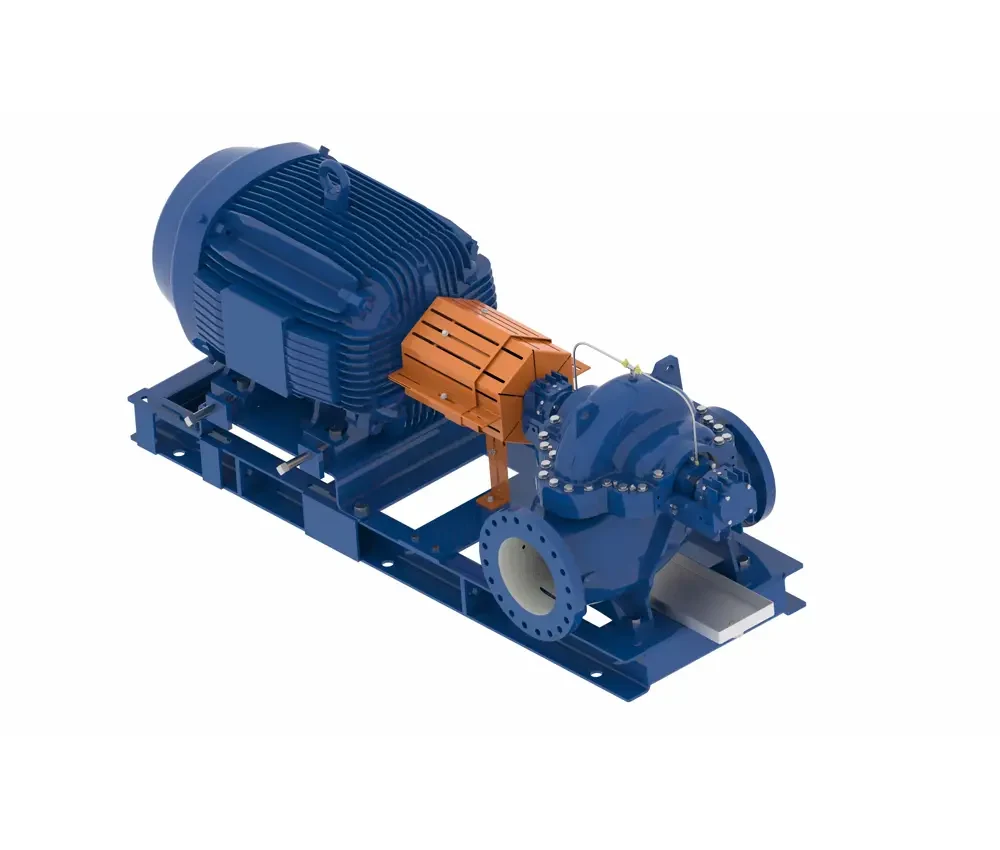
Record the baseline
A useful fault investigation starts with knowing normal operation. Record pressure, flow, current, vibration, bearing temperature and hours at commissioning. Trends under comparable conditions are more useful than isolated readings. Set inspection intervals according to duty, fluid and the manufacturer’s maintenance plan.
Visual and mechanical checks
Look for leaks, loose connections, abnormal noise, blocked strainers and obstructed ventilation. Check alignment, bearing lubrication and sealing according to the manual. More grease is not always better. Before maintenance, safely isolate energy, release pressure and follow the procedure that prevents unintended restarting.
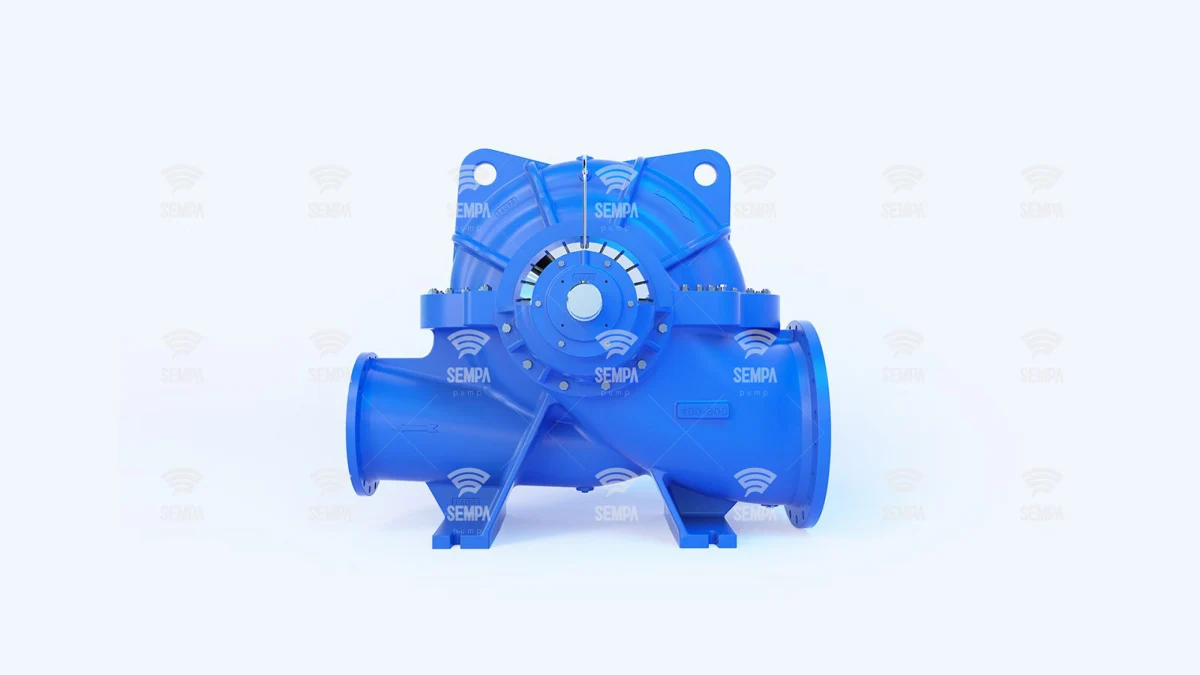
Order parts by the correct code
A series can contain different motor, impeller, seal and material combinations. The family name alone is insufficient for spares. Share a nameplate photograph, serial number and installation type. Relate downtime to maintenance history and investigate root causes when faults recur rather than replacing the same part repeatedly.
Let’s select the right product.
Your contact information and a short description are enough to start. Add flow, head, fluid and quantity if known; we can clarify the rest together.