
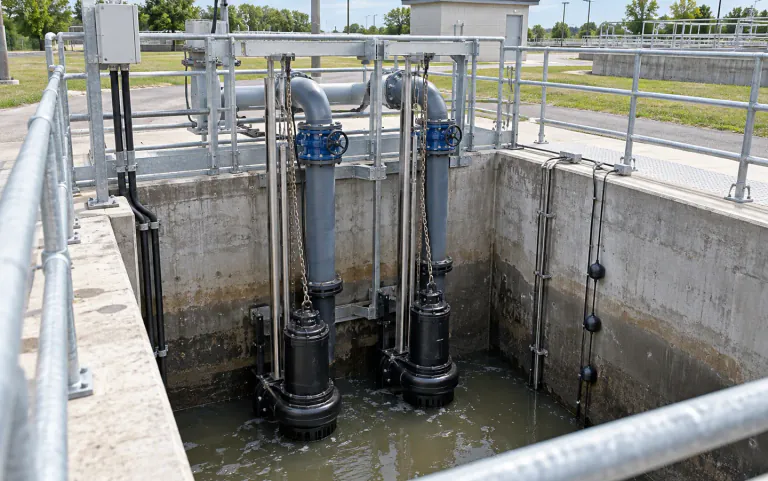
Documented application: Fano, Italy
Xylem reports that Flygt Concertor eliminated blockages at Squero station in Fano, Italy. This is a manufacturer-published application, not a project presented as delivered by Prodso. The following assessment is an engineering guide for operators investigating a similar problem at their own facility. An outcome at another station does not guarantee the same performance with different wastewater and pipework conditions.
Turn faults into measurable records
For an initial assessment, record blockage count, intervention time, removed material and operating state in the same log. Distinguish a pump stoppage from a check valve that fails to close. Separate rainy days, low-flow night periods and operation after maintenance to reveal when the problem occurs. “The pump often blocks” is not enough information to compare alternatives or evaluate a subsequent trial.
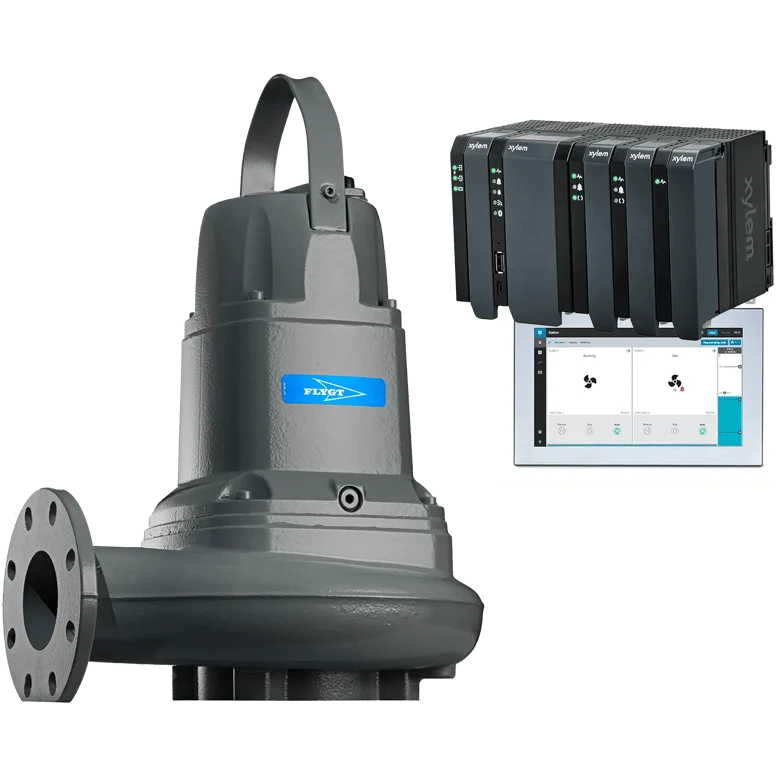
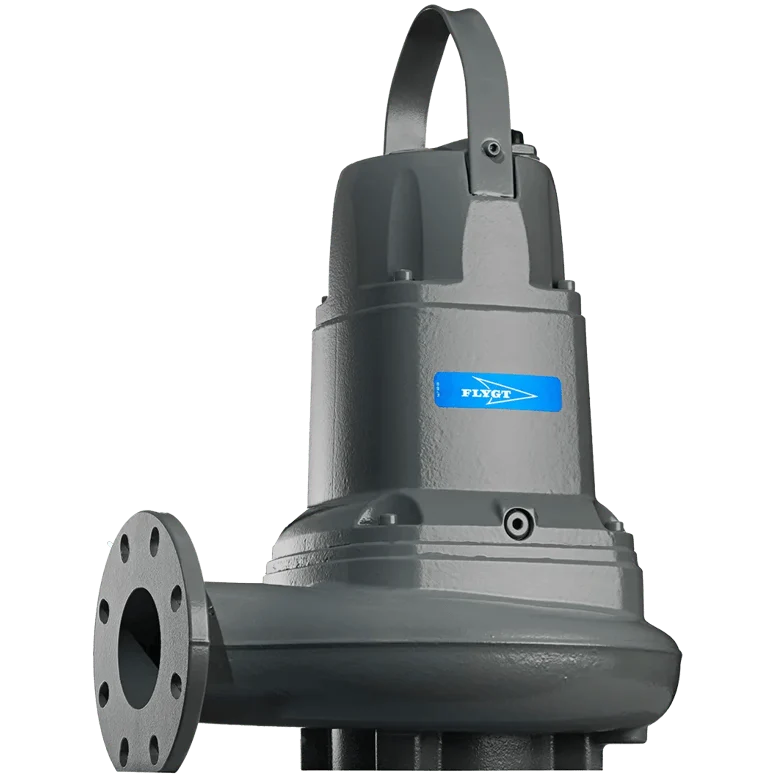
Illustrative calculation: kWh/m³
In an illustrative dataset unrelated to the actual project, 960 kWh used to pump 4,000 m³ equals 0.240 kWh/m³. If the same volume at comparable head requires 780 kWh, the result is 0.195 kWh/m³, a difference of 18.75%. These figures demonstrate the calculation only. Reading energy alongside pumped volume makes operational comparisons clearer than a total electricity bill. Include the same auxiliary equipment in both measurement periods.
Acceptance criteria for a site trial
Before the trial, agree which periods and operating hours will be compared. Intervention count, high-level alarms, daily volume and specific energy can share one report. Read reduced blockages separately from energy performance when flow has also changed. Record simultaneous alterations to level settings or pipework; attributing every improvement to the new pump may be misleading. Check measurement consistency before the comparison starts.
Information to prepare for technical assessment
Bring together the existing nameplate, wet-well dimensions, discharge pipe diameter and length, elevation difference and electrical supply. Add recent fault records and any flow measurements. Discuss the control system, compatibility with the existing panel and standby-pump start logic separately. The purpose is to assess a solution against measurable operational acceptance criteria, rather than select a replacement solely by motor power.
Let’s select the right product.
Your contact information and a short description are enough to start. Add flow, head, fluid and quantity if known; we can clarify the rest together.