
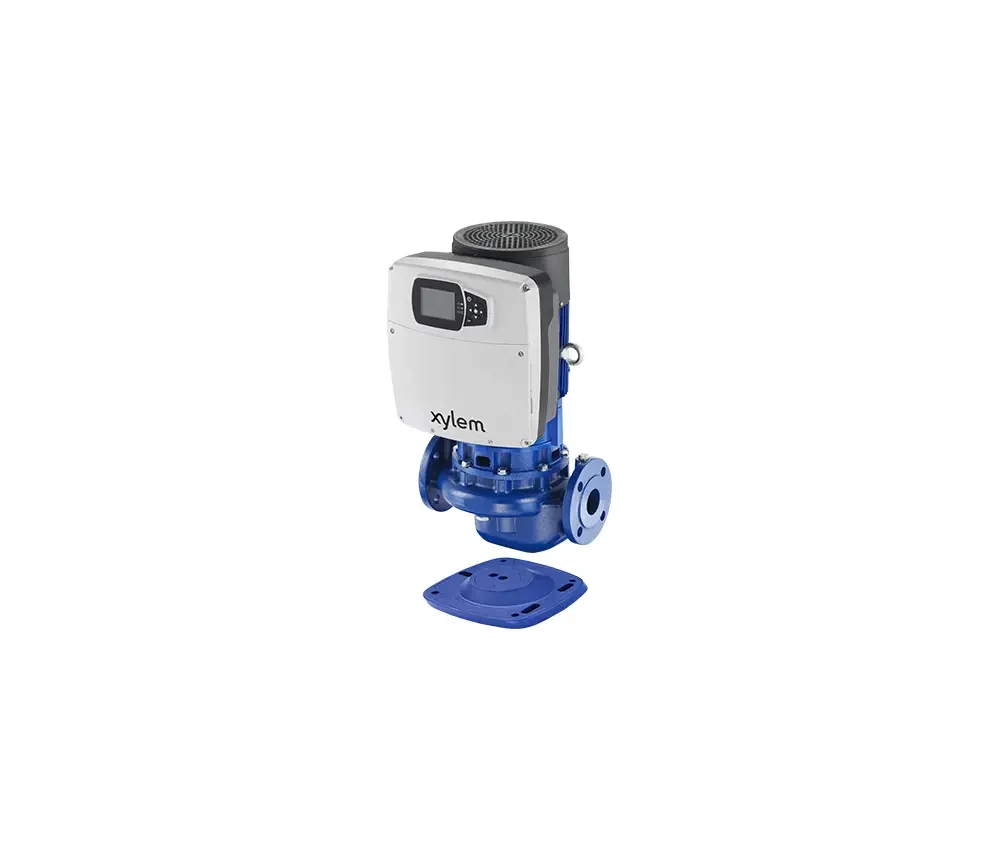
Speed follows demand
Running at full speed through changing demand can waste energy. A drive adjusts speed using appropriate sensors and control logic. Heating, cooling and booster applications can need constant pressure, differential pressure or flow control. Choose the control objective from the actual circuit rather than treating these modes as interchangeable.
The limits of the cube rule
For the same impeller under similarity conditions, flow follows speed, head follows speed squared and power approximately follows speed cubed. At a speed ratio of 0.8, ideal power ratio is 0.512. This does not automatically mean a 48.8% bill reduction: static head, efficiency and motor-drive losses affect the real result.
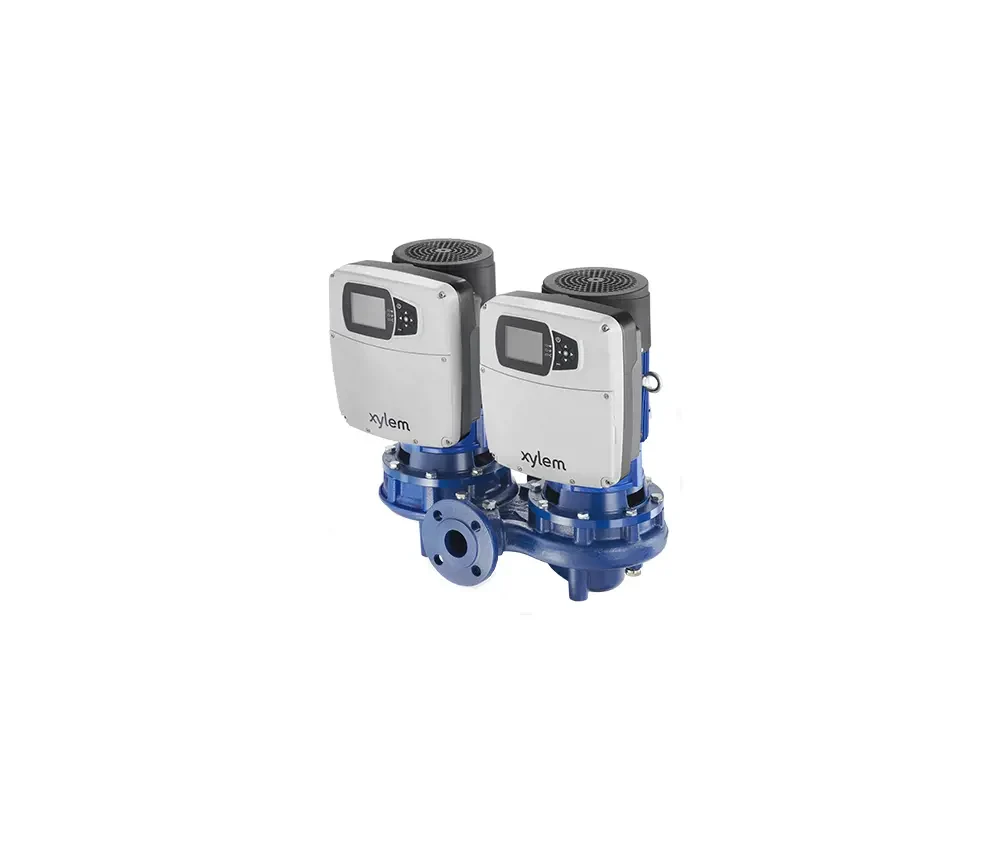
Measure the saving
Record demand and operating hours before making changes, then compare kWh for equivalent service. Check minimum speed, motor cooling, resonance and minimum flow restrictions. A sound comparison includes annual energy, maintenance and downtime, not just the motor nameplate rating.
Let’s select the right product.
Your contact information and a short description are enough to start. Add flow, head, fluid and quantity if known; we can clarify the rest together.